




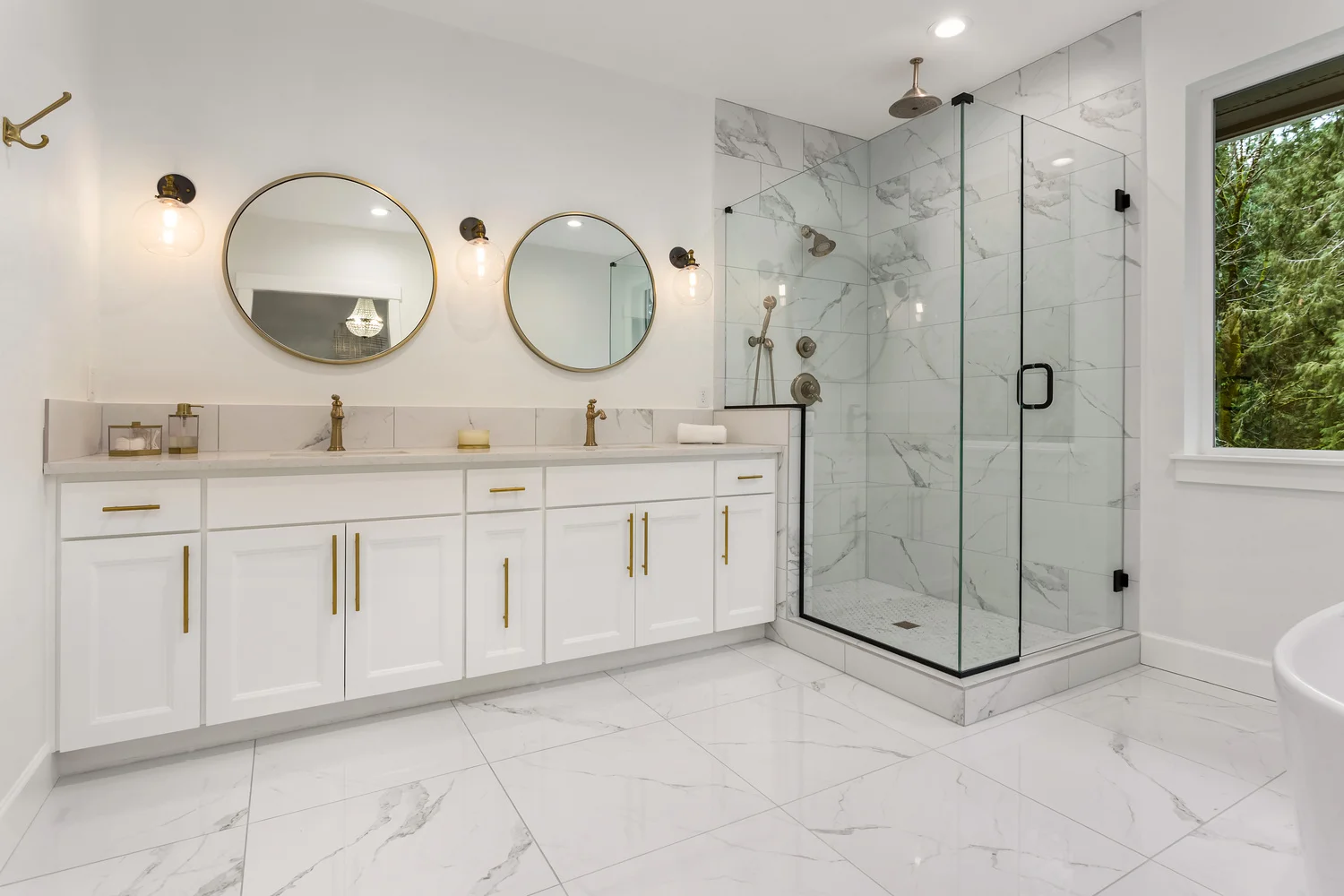
- What type of floor tile works best in a bathroom?
- Is porcelain or ceramic tile better for bathroom floors?
- How important are slip resistance and texture in bathroom tile?
- Are natural stone tiles a good choice for bathroom flooring?
- Why should you hire professionals for bathroom tile installation?
Choosing the right floor tile for a bathroom is one of the most important decisions in any remodel. Bathroom floors must handle constant moisture, temperature changes, and daily foot traffic while still looking great for years to come. With so many materials, finishes, and styles available, it’s natural to wonder which tile option truly works best.
The ideal bathroom floor tile should be water-resistant, durable, slip-resistant, and easy to maintain. Whether you’re planning a full renovation or a simple update, understanding your tile options will help you make a confident choice—and ensure your bathroom remains both functional and stylish.
Ceramic vs. Porcelain Tile: Which Performs Better?
Ceramic and porcelain tiles are the two most common choices for bathroom floors, but they differ in important ways. Ceramic tile is made from clay and fired at a lower temperature, making it slightly more porous and softer. While ceramic is affordable and available in countless designs, it may not be the best option for bathrooms with heavy use or frequent water exposure.
Porcelain tile, on the other hand, is denser and fired at higher temperatures. This makes it more water-resistant, stronger, and better suited for wet environments like bathrooms. Porcelain tiles absorb very little moisture, reducing the risk of cracks, stains, or long-term damage. Because of these qualities, porcelain is often recommended by professionals during bathroom tile installation projects.
Porcelain tiles also come in styles that mimic natural stone, wood, and concrete, allowing homeowners to achieve high-end looks without sacrificing durability. If longevity and performance are top priorities, porcelain tile is often the best overall choice.
Safety, Texture, and Slip Resistance Matter
Bathrooms are one of the most slip-prone areas of a home, so safety should never be overlooked when selecting floor tile. Highly polished tiles may look elegant, but they can become dangerously slippery when wet. Instead, tiles with a matte or textured finish provide better traction and reduce the risk of falls.
Tile size also plays a role in safety. Smaller tiles with more grout lines tend to offer better grip than large-format tiles. Grout creates additional friction underfoot, which is especially helpful in showers and high-moisture areas. Many homeowners consult tile installers near me to determine the best tile size and layout for safety and comfort.
Additionally, choosing the right grout—such as epoxy or water-resistant grout—helps prevent moisture penetration and mold growth. These details may seem minor, but they significantly impact the long-term performance of bathroom floors.
Natural Stone Tiles: Beauty with Extra Maintenance
Natural stone tiles like marble, slate, limestone, and travertine offer unmatched beauty and a luxurious feel. However, they require more care than ceramic or porcelain. Stone is naturally porous, meaning it can absorb water if not properly sealed. Regular sealing and maintenance are essential to prevent staining and damage.
Slate is one of the better stone options for bathrooms because it has a naturally textured surface that improves slip resistance. Marble, while elegant, can be slippery and prone to etching from cleaning products. Because of these factors, natural stone is best for homeowners who are committed to ongoing maintenance and proper care.
Professional tile installation Chicago specialists often recommend stone tiles only when homeowners understand the upkeep involved. When installed and maintained correctly, stone floors can last decades—but they are not the most low-maintenance option.
Why Professional Installation Makes All the Difference
Even the best tile choice can fail if it’s installed incorrectly. Proper subfloor preparation, waterproofing, spacing, and sealing are critical for bathroom floors. This is why working with experienced professionals is essential for long-lasting results.
Companies like Tile Decor Inc understand how to properly prepare bathroom floors, install moisture barriers, and ensure tiles are laid evenly and securely. Skilled installers know how to handle complex layouts, slopes for drainage, and transitions between rooms—details that DIY projects often overlook.
Hiring experts for bathroom tile installation not only protects your investment but also ensures your floor meets safety standards and performs as expected over time. A professionally installed tile floor resists cracking, water damage, and uneven wear, saving you money on future repairs.
Final Thoughts: The Best Tile Choice for Your Bathroom
So, what floor tile is best for a bathroom? For most homes, porcelain tile stands out as the top choice due to its durability, water resistance, safety options, and design versatility. Ceramic tile works well for lighter-use bathrooms, while natural stone offers beauty for those willing to commit to maintenance.
No matter which tile you choose, professional installation is key to achieving a floor that lasts. Consulting experienced tile installers near me ensures your bathroom floor is not only beautiful but also safe and reliable for everyday use.
When planned carefully and installed correctly, the right bathroom tile can transform your space—combining style, comfort, and long-term performance in one of the most important rooms of your home.
